by Maxwell Rovegno
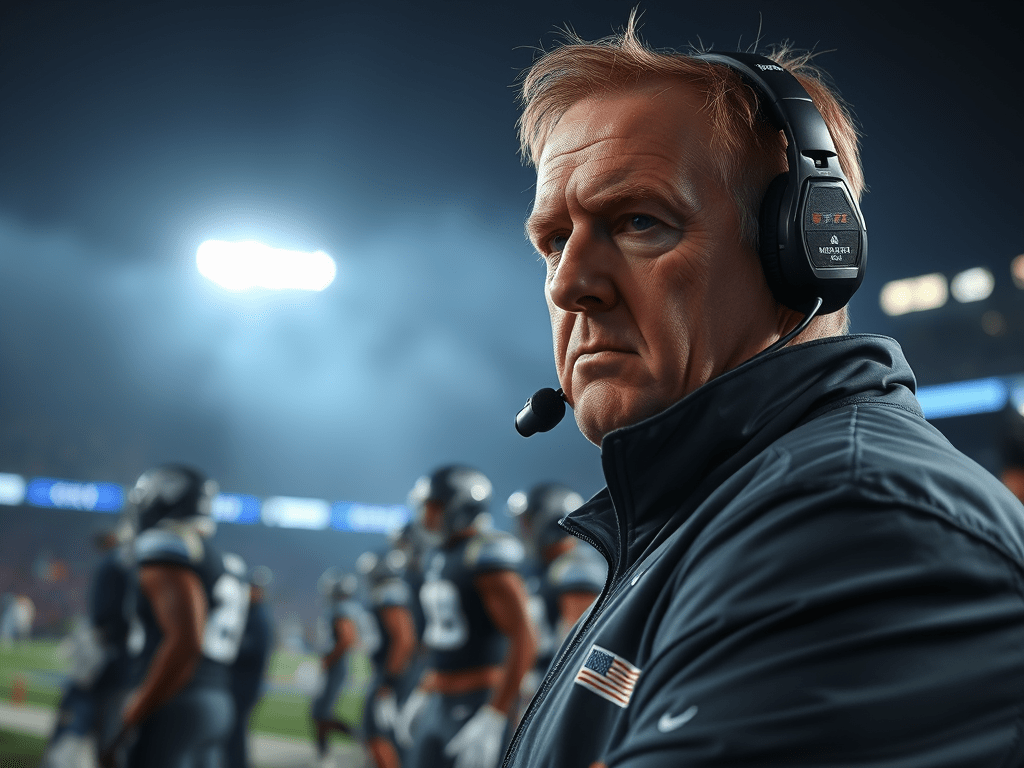
If you follow the NFL closely, one trend stands out every offseason: coaching turnover. Each year, multiple head coaches and coordinators are fired, often after just two or three seasons. While fans may attribute these decisions to wins and losses alone, the reality is far more complex. A mix of financial pressure, organizational impatience, and modern expectations has created a revolving door for NFL coaches.
The Results-Driven Nature of the NFL
The NFL is a results-first business. With only 17 regular-season games, every win and loss carries enormous weight. Unlike other sports leagues with longer seasons, there’s little room for gradual improvement. Owners expect immediate returns on expensive rosters, and even moderate underperformance can trigger leadership changes. Missing the playoffs for consecutive seasons regardless of injuries or roster transitions often seals a coach’s fate.
Shorter Rebuilding Patiences
Rebuilding timelines have shrunk dramatically. In the past, coaches were given four or five years to develop young quarterbacks and reshape culture. Today, that window is closer to two seasons. If a new coaching hire doesn’t demonstrate fast progress especially at quarterback, the pressure mounts quickly. With rookie quarterbacks on affordable contracts, teams feel added urgency to win before cap costs rise.
Financial Pressure and Franchise Value
NFL franchise values have exploded, with teams now worth billions of dollars. Owners view coaches as high-leverage investments who must protect that valuation. Losing seasons impact ticket sales, sponsorships, and fan engagement. In a league driven by television ratings and prime-time exposure, stability becomes secondary to perceived momentum and growth.
The Quarterback-Coach Connection
Much of today’s coaching churn is tied directly to quarterback performance. When a team drafts a young star, ownership often wants a fresh coaching staff to “sync timelines.” Conversely, when a quarterback struggles, the coach is frequently scapegoated before the player. This constant reset perpetuates turnover across the league.
Media, Fans, and Instant Feedback
In the social media era, coaches operate under nonstop scrutiny. Fans, analysts, and former players provide instant assessments, magnifying every decision. This constant spotlight accelerates narrative swings and increases ownership pressure to act decisively even prematurely.
Final Thoughts
NFL coaching turnover isn’t just about poor performance; it’s about expectations in a league where patience is a luxury. Until incentives shift toward long-term development, the churn will likely continue. As Max Rovegno observes, in today’s NFL, stability must be earned quickly, or it disappears just as fast.
 Max Rovegno
Leave a comment